


You develop fatty liver mainly by consuming too much fat, sugar, or processed food, which leads to excess fat accumulation in your liver. Early signs often include fatigue, mild abdominal discomfort, and sometimes unexplained weight changes. If untreated, fatty liver can increase your risk of serious issues like inflammation, cirrhosis, diabetes, and heart disease. Understanding these causes, symptoms, and risks helps you take effective steps to protect your liver’s health and overall well-being.
Common Causes of Fatty Liver Disease
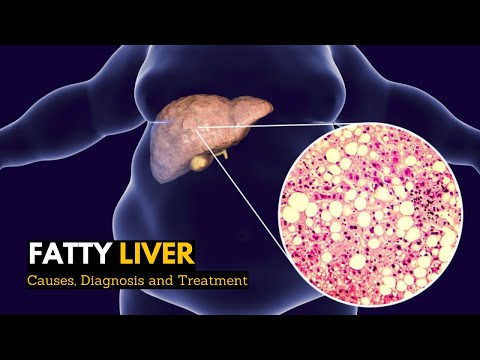
Although fatty liver disease can develop for various reasons, certain causes are more common and well-documented.
You should understand that dietary habits play a significant role; excessive intake of high-fat, sugary, or processed foods often leads to fat accumulation in the liver.
Additionally, genetic factors can influence your susceptibility, as some people inherit traits that make their liver more prone to storing fat.
While lifestyle choices are critical, these inherited elements may increase your risk regardless of diet.
Recognizing these causes helps you take informed steps toward maintaining liver health and preserving your freedom to live well.
Recognizing Early Symptoms of Fatty Liver
How can you tell if fatty liver disease is developing in your body? Early indicators often include fatigue, mild abdominal discomfort, and unexplained weight loss.
You mightn’t notice symptoms at first, which is why symptom awareness is essential. Paying attention to subtle changes in energy levels or digestion can help you detect the condition sooner.
Regular check-ups and liver function tests provide additional confirmation beyond physical signs.
Health Risks Linked to Fatty Liver
Recognizing the early symptoms of fatty liver is just one part of understanding this condition. You should also be aware of the health risks linked to it.
Fatty liver can increase your chances of developing metabolic syndrome, which includes high blood pressure, high blood sugar, and abnormal cholesterol levels. Without timely lifestyle changes, these risks may escalate.
Key concerns include:
- Progression to liver inflammation or cirrhosis
- Increased risk of cardiovascular diseases
- Higher likelihood of type 2 diabetes
Knowing these risks helps you appreciate the importance of addressing fatty liver proactively.
Prevention and Management Strategies
Since fatty liver can lead to serious health complications, implementing effective prevention and management strategies is essential.
You can start by making lifestyle changes, including regular physical activity and maintaining a healthy weight.
Dietary modifications also play a critical role; reducing sugar, saturated fats, and processed foods helps decrease liver fat.
Incorporating more fruits, vegetables, and whole grains supports liver health.
Avoiding excessive alcohol intake further reduces risk.
Regular medical check-ups allow you to monitor liver function and address issues early.
These combined efforts empower you to manage fatty liver effectively, promoting long-term well-being and freedom from complications.
Frequently Asked Questions
Can Fatty Liver Disease Be Reversed Through Diet Alone?
Yes, you can reverse fatty liver disease through dietary modifications alone by following nutritional guidelines focused on whole foods, reducing sugar and unhealthy fats, and embracing freedom in your food choices to support liver health effectively.
Are There Any Genetic Factors Influencing Fatty Liver Disease?
Yes, you can inherit a genetic predisposition to fatty liver disease, meaning familial patterns play a role. Knowing this helps you take proactive steps to protect your liver and maintain your freedom to live healthily.
How Does Fatty Liver Disease Affect Pregnancy Outcomes?
Fatty liver disease can increase your risk of pregnancy complications, affecting maternal health by raising chances of gestational diabetes, preeclampsia, and preterm birth. Stay proactive and work with your healthcare provider to protect you and your baby.
What Role Do Medications Play in Fatty Liver Development?
Medications can cause fatty liver by their effects on your liver, sometimes leading to liver toxicity. You’ll want to monitor which drugs you take closely, so you keep your liver healthy and maintain your freedom.
Is Fatty Liver Disease Linked to Mental Health Conditions?
Yes, fatty liver can link to depression and liver anxiety. You might face emotional struggles tied to your liver health, but recognizing this connection helps you take control and seek freedom from both physical and mental burdens.

